
Osteopathic Care for Long-Term Pain
A personalised, supportive approach for people living with persistent musculoskeletal pain, focused on movement, function and the activities that matter to you.
SPECIALIST CARE
Support for Persistent Pain
Pain that continues for a long time can affect far more than one part of the body. It may influence movement, activity, work, exercise and confidence, and the experience can vary significantly from person to person.
At Ridge Osteopathy Clinic, we take time to understand how your pain affects you rather than relying on a single explanation or treatment approach.
Your care may combine appropriate hands-on treatment, rehabilitation, movement guidance and practical advice, with the aim of helping you manage symptoms and move forward at a pace that suits you.

WHO WE HELP
Support Designed Around Your Experience
Long-term pain can affect people in many different ways. We adapt our approach according to your symptoms, activity levels, health history and goals.
Persistent Musculoskeletal Pain
Support for pain affecting muscles, joints or movement over an extended period.
Recurring Symptoms
Assessment where discomfort improves and returns repeatedly.
Feeling Limited by Pain
Support where pain is affecting work, exercise or everyday activity.
Returning to Activity
Gradual support for rebuilding movement and confidence.
Several Areas of Pain
An individual approach where symptoms affect more than one part of the body.
A Personalised Approach
Care focused on your own experience rather than a standard programme.
WHAT WE CAN HELP WITH
Long-Term Musculoskeletal Concerns
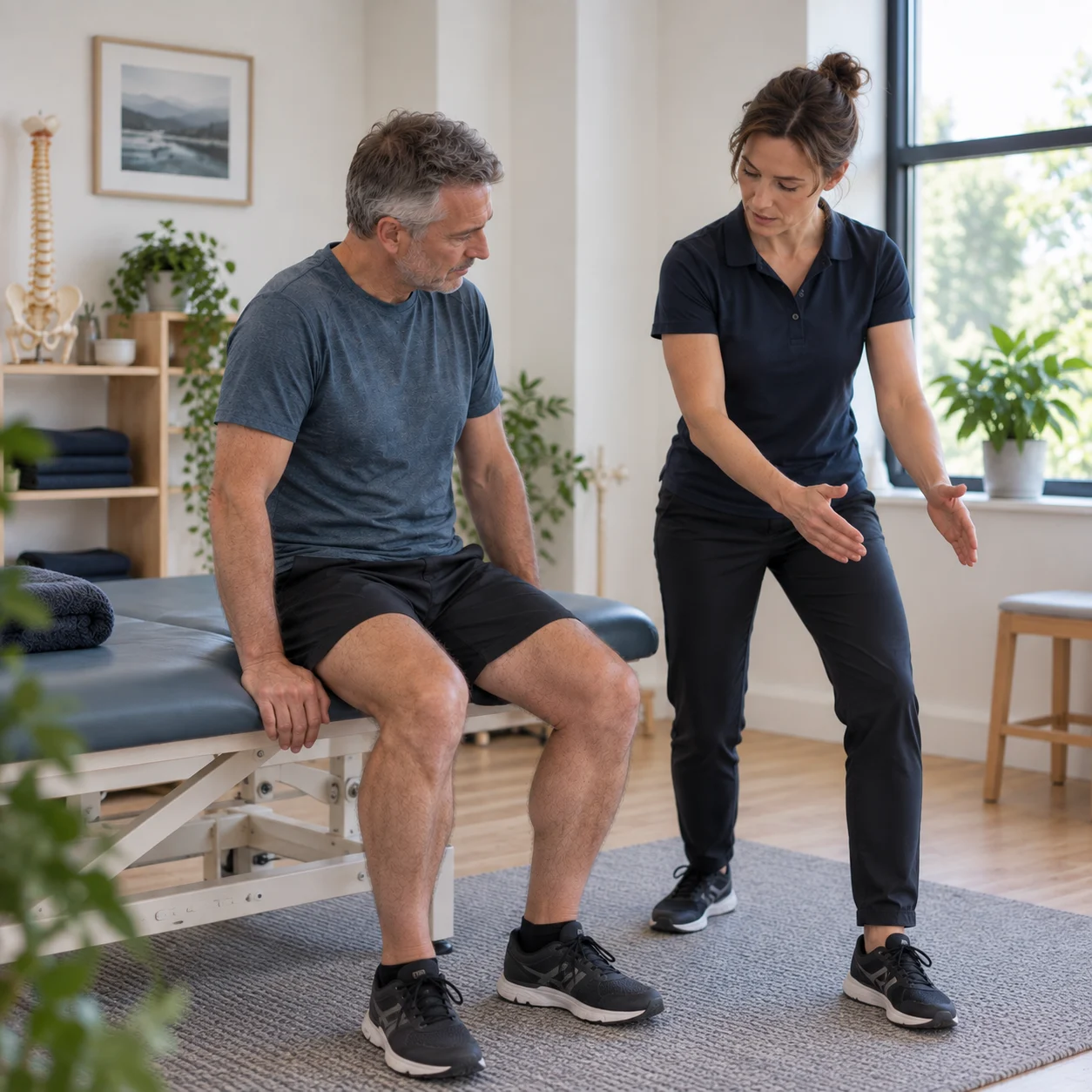
Persistent pain may have multiple influences, and symptoms do not always have one simple cause. Our role is to assess your musculoskeletal presentation and discuss appropriate options for care.
OUR APPROACH
Moving Forward at Your Pace
Our approach focuses on understanding how pain affects you and finding appropriate ways to support movement, function and confidence.
Understand
We discuss your pain, health history, previous treatment and how your symptoms affect everyday life.
Assess
We assess relevant movement, mobility and areas of discomfort to better understand your current presentation.
Plan
Together, we discuss realistic goals and an individual approach to care.
Treat
Where appropriate, hands-on treatment may be used to support comfort and movement.
Progress
Rehabilitation and practical advice may help you gradually build movement, activity and confidence.

What to expect
Starting With Your Story
Your first appointment is an opportunity to talk through your symptoms in detail, including how long they have been present, what affects them and any previous investigations or treatment you have received. We then carry out an appropriate physical assessment and discuss what we find. Where osteopathic care is suitable, we will discuss a personalised plan based on your needs and goals. If your presentation suggests that further medical assessment is appropriate, we can advise you accordingly.
You Don't Need to Have All the Answers
If you have been living with pain for some time, you may already have tried several approaches. We start by understanding where you are now and discussing what may be appropriate for your individual situation.
Common questions
Frequently Asked Questions
What is considered long-term pain?
Persistent or long-term pain generally describes symptoms that have continued beyond the expected time for an injury or problem to settle. Your individual circumstances and medical history are important when assessing persistent symptoms.
Can osteopathy cure chronic pain?
We do not promise to cure long-term pain. Osteopathic care may form part of a wider approach aimed at supporting comfort, movement, function and confidence.
What if I have already tried other treatments?
That is common. Your first consultation includes discussing previous treatment, investigations and what has or has not been helpful.
Will treatment be painful?
Treatment is adapted to you and your comfort. Please tell your osteopath if anything feels uncomfortable so the approach can be adjusted.
Will I need exercises?
Exercises may be recommended where appropriate. These are selected according to your current ability, symptoms and goals rather than using a fixed programme.
What if my pain becomes worse or changes?
New, worsening or unusual symptoms should be assessed appropriately. Depending on your presentation, you may be advised to speak with your GP or another healthcare professional.

 Made by Uphost